
What Is Red Light Therapy? A Complete Beginner's Guide
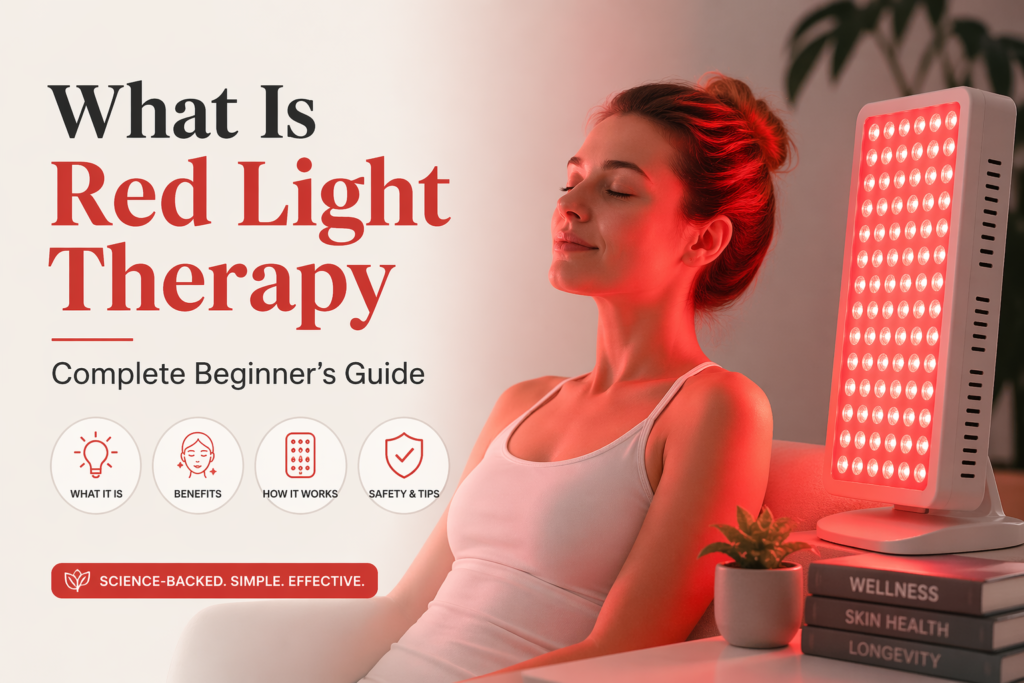
Red light therapy (RLT)—also known as photobiomodulation or low-level laser therapy (LLLT)—is a non-invasive treatment that uses specific wavelengths of red and near-infrared light to promote healing, reduce inflammation, and improve various health conditions. If you've heard people talking about red light panels, LED masks, or "light therapy" and wondered what all the fuss is about, this guide is for you.
Table of Contents
What Exactly Is Red Light Therapy?
Red light therapy is a form of photobiomodulation (PBM)—literally "light affecting biology." Unlike lasers used in surgery or intense pulsed light (IPL) treatments, RLT uses low-energy light that doesn't heat or damage tissue. Instead, it works at the cellular level to stimulate natural healing processes.
The therapy typically uses two main types of light:
- Red light (630-700nm) – penetrates the skin's surface layer, excellent for skin health, wound healing, and surface-level conditions
- Near-infrared light (700-1060nm) – penetrates deeper into tissue, reaching muscles, joints, and even bones, ideal for pain relief and deeper healing
Unlike ultraviolet (UV) light, which can damage skin cells and cause cancer, red and near-infrared light have been shown to be safe with no known harmful side effects when used correctly.
How Does Red Light Therapy Work?
When red and near-infrared light enters your cells, it interacts with mitochondria—the "powerhouses" of your cells that produce energy in the form of ATP (adenosine triphosphate).
The Science Simplified:
- Light absorption: Specific wavelengths are absorbed by chromophores (light-sensitive molecules) in your mitochondria
- Energy boost: This absorption stimulates the enzyme cytochrome c oxidase, enhancing mitochondrial function
- ATP production: Cells produce more ATP—the cellular "energy currency"
- Cellular repair: With more energy, cells function better, repair faster, and replicate more efficiently
- Cascade effects: This triggers broader healing responses including reduced inflammation, improved circulation, and tissue repair
For a deeper dive into the science, see our article on How Red Light Therapy Works: The Science of Photobiomodulation.
Proven Benefits of Red Light Therapy
1. Skin Health and Anti-Aging
One of the most popular uses of RLT is for skin improvement. Studies show red light therapy can:
- Stimulate collagen production to reduce wrinkles and fine lines
- Improve skin tone and texture
- Reduce acne and acne scarring
- Speed wound healing
- Help with conditions like psoriasis and eczema
Read more: Red Light Therapy for Acne: Does It Work? and Red Light Therapy for Anti-Aging.
2. Pain Relief and Recovery
Red light therapy has shown promising results for various pain conditions:
- Chronic back pain – Particularly L5/S1 disc issues
- Arthritis – Both osteoarthritis and rheumatoid arthritis
- Fibromyalgia – Reduced overall pain sensitivity
- Joint pain – Shoulders, knees, wrists
- Muscle recovery – Faster recovery after exercise
See: Red Light Therapy for Chronic Pain and Red Light Therapy for Rheumatoid Arthritis.
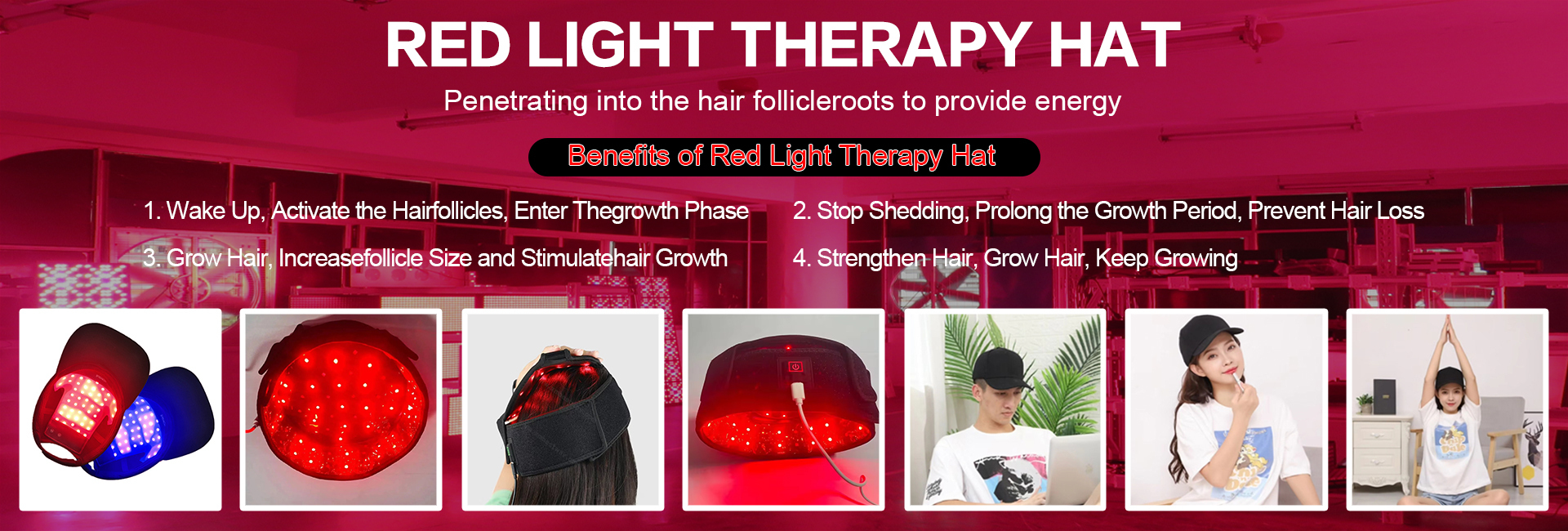
3. Hair Growth
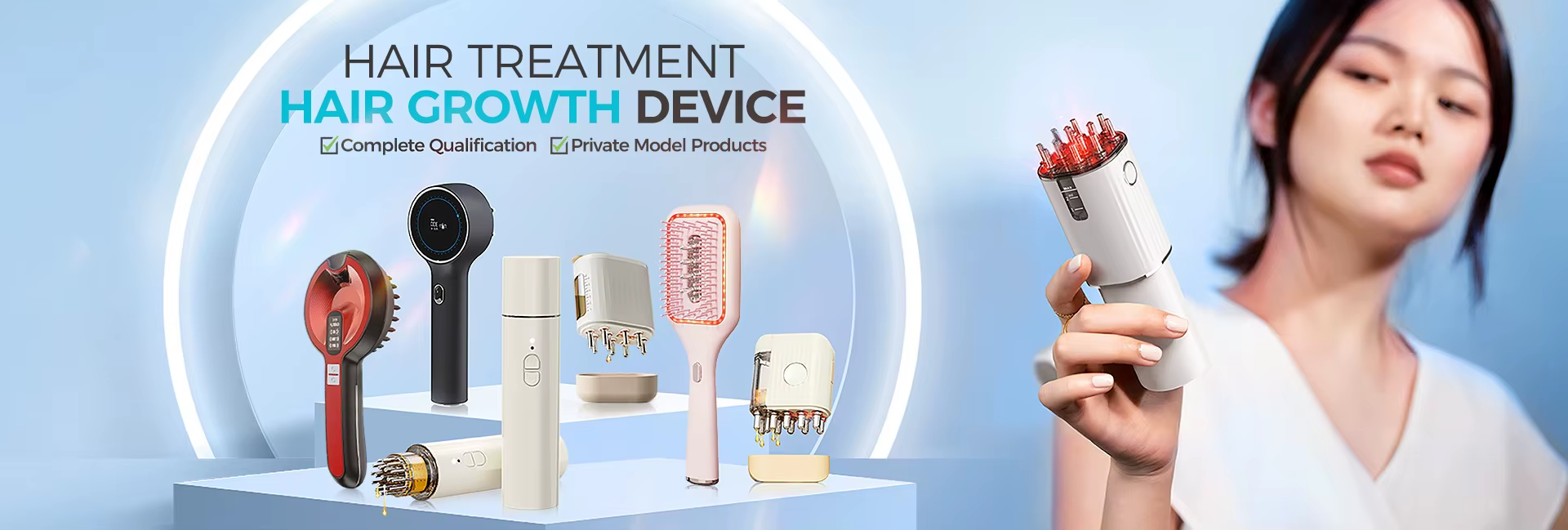
Red light therapy can stimulate hair follicles and promote hair growth in people with androgenetic alopecia (pattern baldness). Devices like the Theradome helmet have FDA clearance for this purpose. Learn more: Red Light Therapy for Hair Growth.
4. Wound Healing
RLT accelerates wound healing by improving blood flow, reducing inflammation, and stimulating cellular regeneration. It's been studied for diabetic ulcers, surgical wounds, and burns.
5. Other Potential Benefits
- Reduced inflammation throughout the body
- Improved circulation and cardiovascular health
- Better sleep by regulating circadian rhythms
- Thyroid support – Some use RLT for thyroid health
- Dental health – Reduced gum inflammation
Types of Red Light Therapy Devices
There are several types of RLT devices, each suited for different purposes:
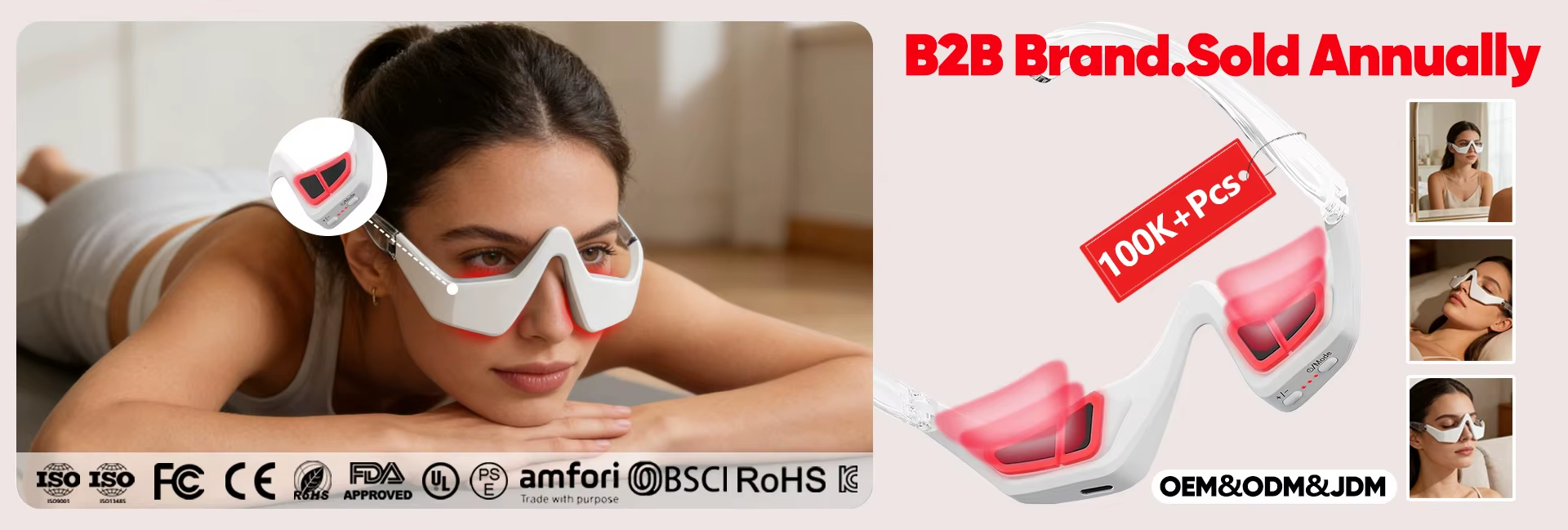
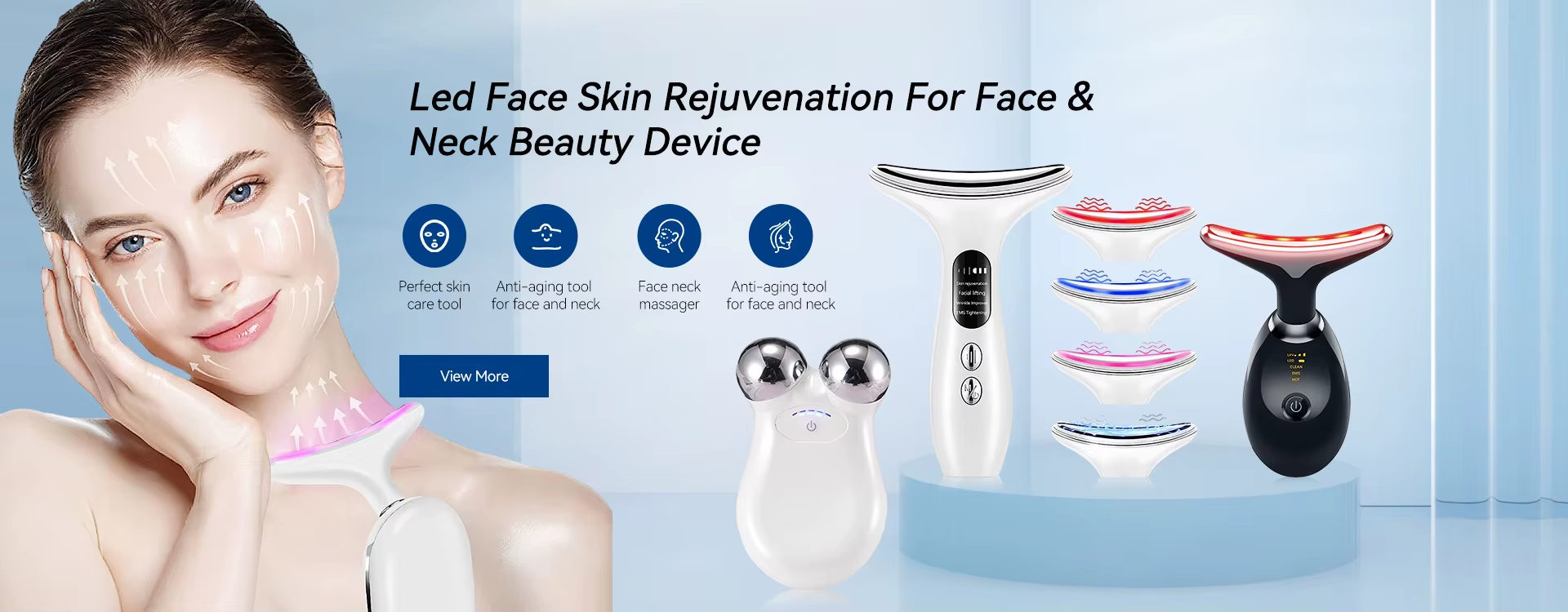
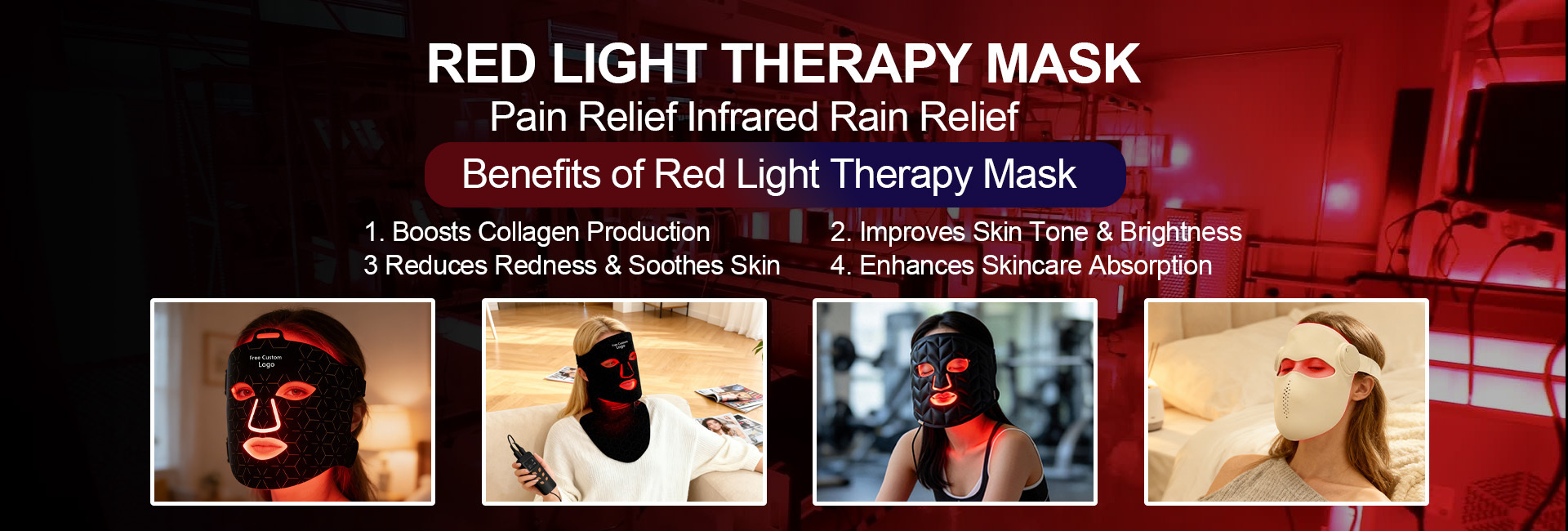
LED Masks
Face-shaped masks with built-in LEDs. Popular for skincare routines. They come in two main types:
- Hard-shell masks – More durable, easier to clean, don't touch the face (better for sensitive skin)
- Soft silicone masks – Conform to face shape, but may irritate sensitive skin
See our comparison: Hard-Shell vs Soft Silicone Masks and Best Red Light Therapy Masks of 2026.
Panel Devices
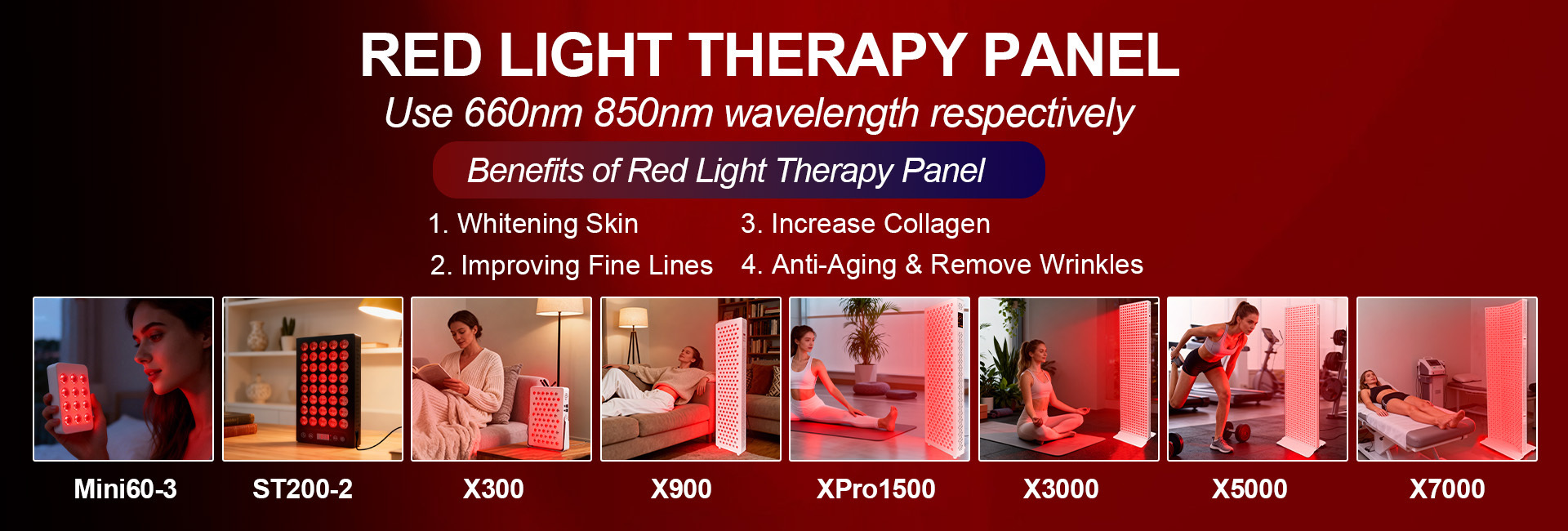
Large panels with arrays of LEDs. Great for full-body or targeted treatment. Sizes range from small (100 LEDs) to full-body panels (600-2000 LEDs). Read: Best Red Light Therapy Panels and Best Devices Under $250.
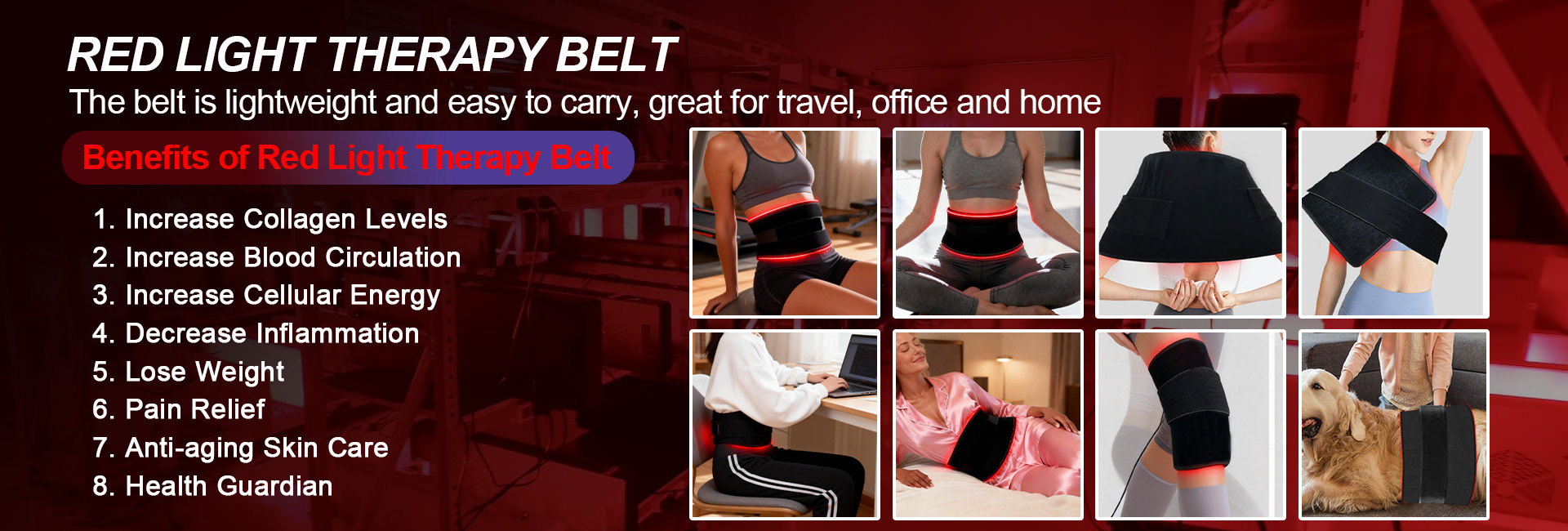
Wearable Belts and Wraps
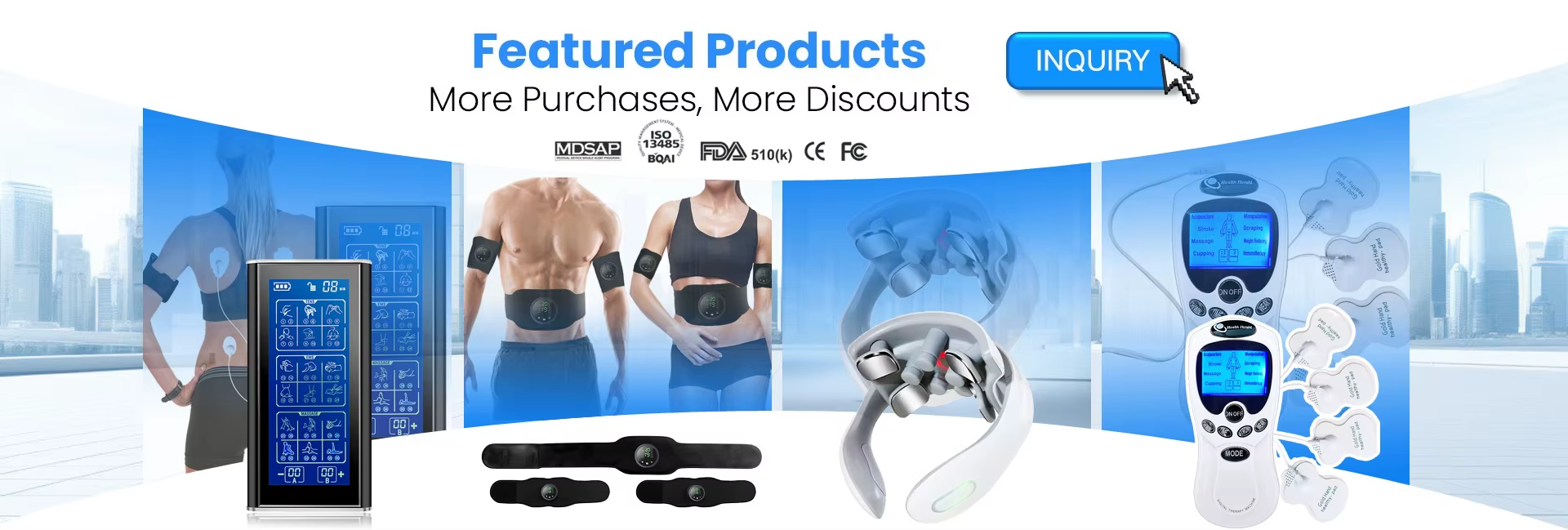
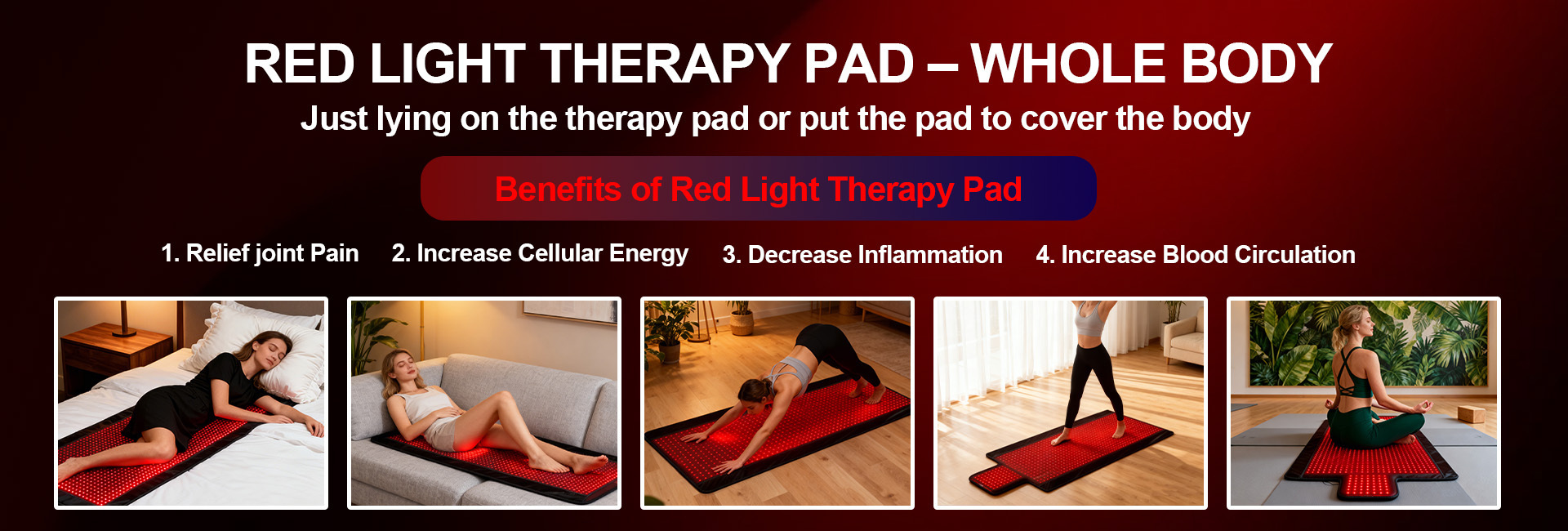
Flexible devices that wrap around specific body parts (knees, shoulders, abdomen). Ideal for joint pain and targeted areas.
Handheld Devices
Small, portable devices for spot treatments—like torches or small wands. Good for precise application on small areas.
How to Get Started with Red Light Therapy
Step 1: Define Your Goals
What do you want to treat?
- Skin/anti-aging → LED mask or small panel
- Pain management → Panel or wearable belt
- Full-body wellness → Large panel
- Hair growth → Specialized helmet
Step 2: Choose the Right Device
Consider these factors when choosing a device:
- Wavelengths: 660nm (red) and 850nm (NIR) are the most studied combination
- LED count: More LEDs = more coverage, but quality matters more than quantity
- Power output (irradiance): Measured in mW/cm². Higher isn't always better—proper dosing matters
- Certifications: FDA clearance, third-party testing
- Warranty and support: Especially important for expensive devices
Decode wavelengths: Red Light Therapy Wavelengths Explained.
Step 3: Establish a Routine
Consistency is key. Start with:
- Duration: 10-20 minutes per session
- Frequency: 3-5 times per week
- Distance: 6-12 inches from the device
- Bare skin: Light must reach your skin directly
Learn proper dosing: How to Calculate Your RLT Dosage.
Step 4: Be Patient
Results aren't immediate. Most people notice improvements within 4-8 weeks of consistent use. Some experience an initial "purging" phase (especially for acne). See: 10 Red Light Therapy Mistakes Beginners Make.
Is Red Light Therapy Safe?
Red light therapy is generally considered safe with minimal side effects. Key safety points:
- Eye protection: Never look directly into bright LEDs. Wear protective glasses
- No UV radiation: RLT doesn't cause sunburn, DNA damage, or cancer risk
- Not recommended for: People with photosensitivity disorders, those on photosensitizing medications, or pregnant women (without doctor approval)
- Begin slowly: Long sessions and daily overuse can reduce effectiveness
Read more: Red Light Therapy Side Effects and Red Light Therapy and Eye Safety.
Frequently Asked Questions
Q: How long before I see results from red light therapy?
A: Most people notice improvements within 2-8 weeks of consistent use. Pain relief can sometimes be felt immediately or within a few sessions, while skin improvements take longer.
Q: Can I use red light therapy every day?
A: Daily use is generally safe, but 3-5 times per week is often optimal. Overdoing it may reduce effectiveness. Start with shorter sessions and listen to your body.
Q: Do I need special skincare products with RLT?
A: No, but some products may enhance results. Avoid applying retinoids, AHAs, or photosensitizing products immediately before RLT sessions. Learn more: Red Light Therapy and Skincare.
Q: Is more expensive always better?
A: Not necessarily. Many devices from Alibaba manufacturers (like IdeaLight) are the same panels rebranded and sold at 2-3x the price. Compare: Alibaba vs Branded Panels.
Q: Can red light therapy cause cancer?
A: No. RLT uses non-ionizing radiation with no cancer-causing potential. It's the opposite of UV light—RLT may actually help prevent certain cancers by improving cellular health.