
Red Light Therapy for Acne: Does It Work and What Is "Purging"?
Using red light therapy for acne is increasingly popular—but many people experience an unexpected surge in breakouts when they first start. This phenomenon, often called "purging," is one of the most discussed topics in the RLT community. Here's what you need to know.
Does Red Light Therapy Help Acne?
Yes—but with caveats. Research shows red light therapy can help with acne by:
- Reducing inflammation – Acne is an inflammatory condition; RLT helps calm it
- Killing bacteria – Some wavelengths (especially combined with blue light) reduce P. acnes bacteria
- Speeding healing – Existing breakouts heal faster
- Regulating sebum – Some evidence suggests normalized oil production over time
What Is "Purging"?
Here's the important truth: This isn't true "purging" like you'd get from retinoids. True purging means existing clogged pores are being cleared out. What's happening with RLT is different.
Why Breakouts Happen When Starting RLT
- Inflammatory response: For some, the initial light exposure triggers temporary inflammation as cells adjust
- Overstimulation: Starting with too much, too fast (20 min daily) overwhelms skin
- Skin barrier stress: Heat or light can stress a compromised barrier
- Coincidental hormonal flares: Many RLT users are dealing with hormonal acne (PCOS, etc.) and flares happen
How to Minimize Breakouts When Starting RLT
Rule #1: Start Slow
The single most important advice: Don't start with 15-20 minute daily sessions.
Recommended starting protocol:
- Week 1: 5 minutes, every other day
- Week 2: 5 minutes, 4 times per week
- Week 3-4: 10 minutes, 4 times per week
- Week 5+: Adjust based on response, up to 15 minutes, 3-5x/week
Rule #2: Distance Matters
Too close = too intense. For acne treatment with panels, start at 12 inches and move in slowly over weeks.
Rule #3: Clean Your Device
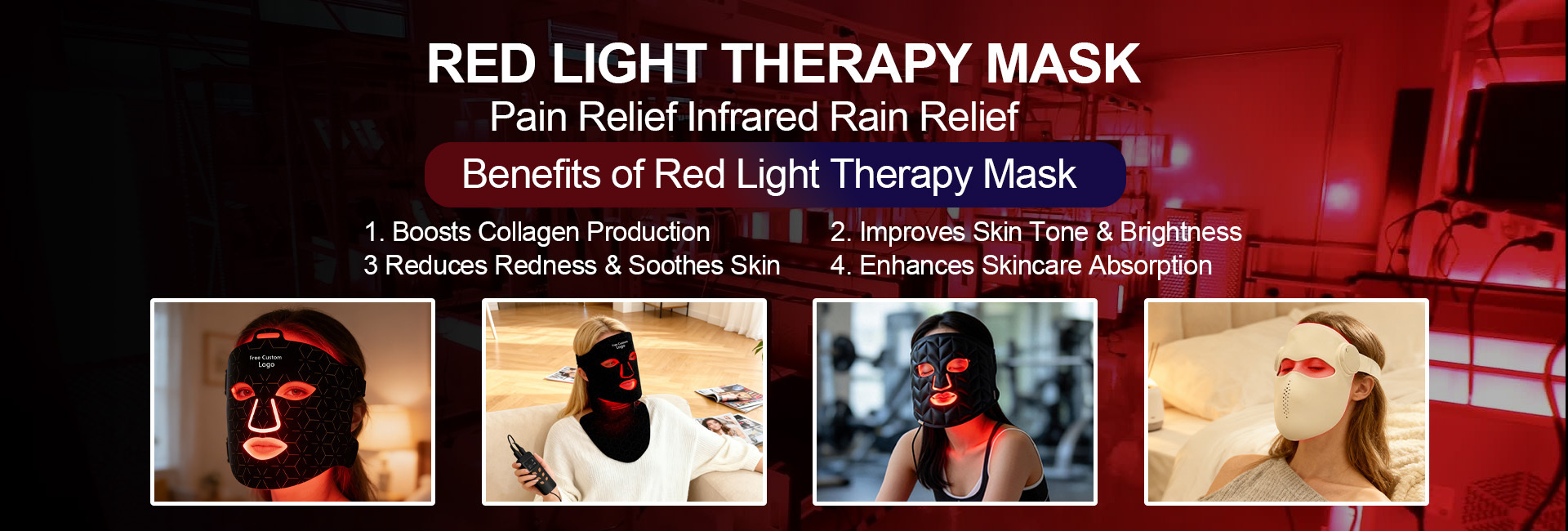
If using a mask that touches your face: clean it with alcohol wipes after every use. One Reddit user warned that uncleaned masks can lead to infections like impetigo.
Rule #4: Skip Actives Before Sessions
Don't apply retinol, AHAs, BHAs, or vitamin C immediately before RLT. The combination can cause irritation. RLT first, wait 30 minutes, then apply topicals.
Red Light vs Blue Light for Acne
Both can help acne, but differently:
| Light Type | Mechanism | Best For |
|---|---|---|
| Blue (480nm) | Kills surface bacteria | Active acne, oily skin |
| Red (630-660nm) | Reduces inflammation, heals | Inflamed acne, scarring |
| Red + Blue | Combined benefits | Most comprehensive acne treatment |
Many dermatologists recommend combination therapy. Devices like Dr. Dennis Gross SpectraLite offer both wavelengths.
When to See Improvement
- Initial improvement in existing acne: 1-2 weeks (healing faster)
- Overall acne reduction: 4-8 weeks of consistent use
- If still breaking out after 8 weeks: Reassess protocol or consider RLT may not be right for your acne type
FAQ
Q: Should I stop if I start breaking out?
A: If breakouts are severe, reduce frequency (every other day → every 3 days) but don't necessarily stop unless irritation is significant. Mild initial breakouts often resolve within 2-4 weeks.
Q: Can RLT make acne scars worse?
A: No. RLT helps scars heal. The reddish appearance during treatment is temporary blood flow, not damage.
Q: Which is better for acne: mask or panel?
A: Masks are designed for facial treatment and may be easier for daily use. Panels are more versatile. Either works if wavelengths and protocol are correct.
Q: Can I use RLT with my acne medications?
A: Generally yes, but separate application. RLT doesn't interact with oral medications. For topicals, do RLT on clean skin and apply medications afterward.