
Red Light Therapy and Eye Safety: The 670nm Connection and Protective Measures
Your eyes are sensitive to light, and while red/NIR light is generally safer than UV, proper eye protection matters—especially with high-powered devices and near-infrared wavelengths.
Critical Warning: Never look directly at bright LEDs at close range. Near-infrared (850nm+) can penetrate deep into the eye and potentially cause damage. Always use protective eyewear.
Do You Need Eye Protection?
Yes, in most cases. Here's why:
- Bright LEDs can cause afterimages and eye strain
- NIR light (850nm+) penetrates deeper into the eye than visible red light
- High-intensity panels are much brighter than the sun at close range
When Eye Protection Is Essential
- Using panels at close range (6-12 inches)
- Any direct viewing of LEDs
- Using near-infrared wavelengths (810nm, 850nm, 1060nm)
- Treating areas near the eyes
The 670nm Eye Health Connection
Interestingly, 670nm light is also being studied for eye health—specifically protecting retinal cells and potentially helping with macular degeneration. This creates an interesting paradox:
- For eye therapy: 670nm light is directed at closed eyes at specific doses
- For general RLT: Protect eyes from direct LED exposure
Follow device-specific protocols when using RLT for eye health.
Eye Protection Options
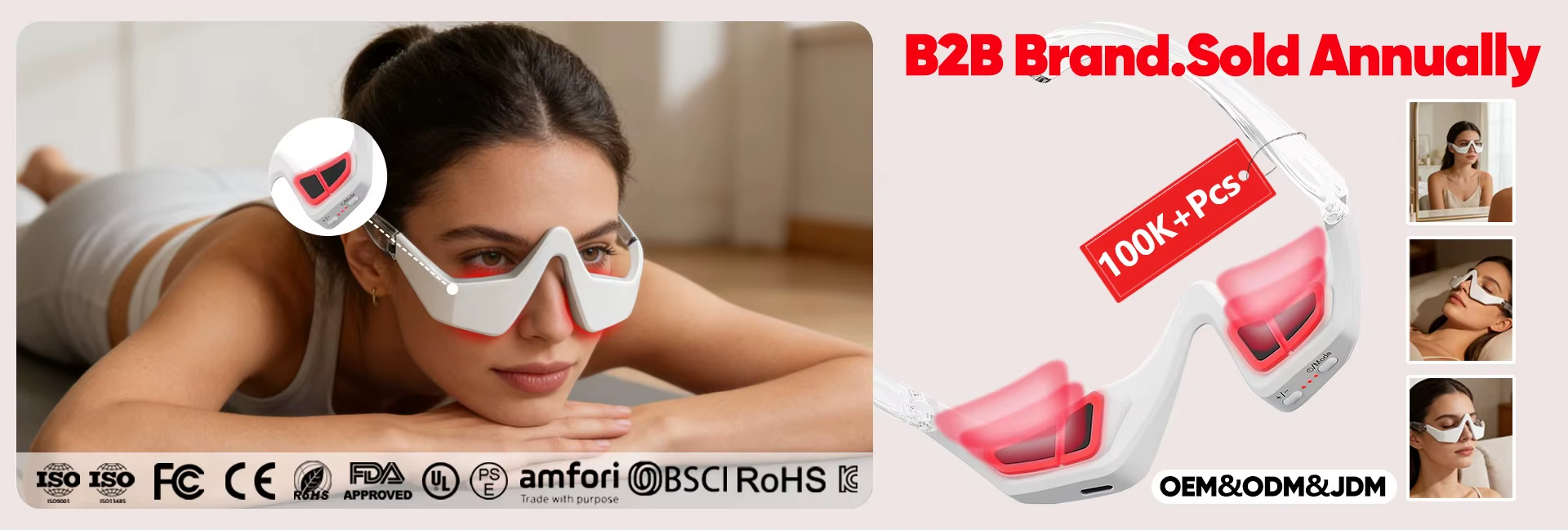
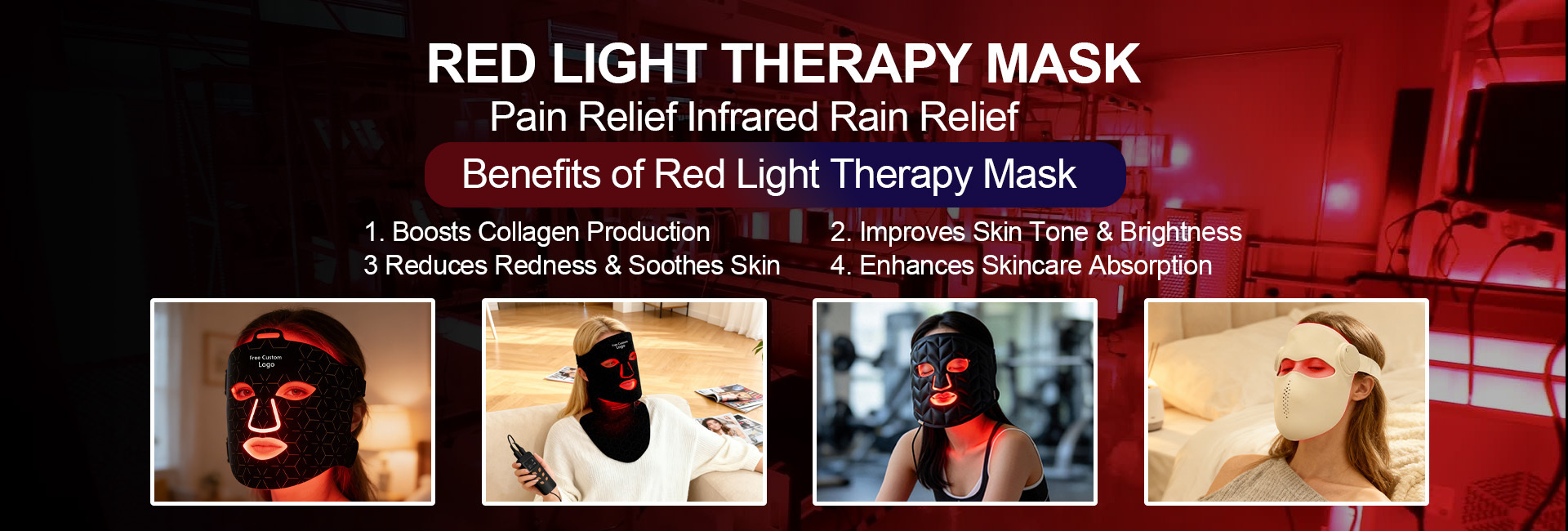
- Included glasses: Most quality panels include protective eyewear
- Block blue light glasses: Can work but may not block NIR adequately
- Dedicated RLT goggles: Designed for specific wavelengths
- Simply closing eyes: Helps but doesn't replace glasses for bright panels
FAQ
Q: Is red light therapy safe for eyes?
A: Yes, when used properly with protective eyewear. Never stare directly at LEDs.
Q: Can I use RLT if I have eye conditions?
A: Consult your ophthalmologist. Some conditions may be aggravated by light exposure.