
Red Light Therapy for Chronic Pain: Back Pain, Arthritis, and Fibromyalgia
Chronic pain affects millions of people worldwide, and many are turning to red light therapy as a non-pharmaceutical option. From herniated discs to rheumatoid arthritis to fibromyalgia, here's what you need to know about using RLT for pain management.
Why Red Light Therapy Helps Pain
Red and near-infrared light reduce pain through several mechanisms:
- Reduced inflammation – Blocks pro-inflammatory cytokines
- Improved circulation – Nitric oxide release dilates blood vessels
- Cellular repair – Increased ATP production speeds tissue healing
- Nerve modulation – 810nm specifically affects nerve cells
- Reduced oxidative stress – Mitochondrial support reduces free radical damage
Condition-Specific Guidance
Lower Back Pain (Herniated Discs, L5/S1)
One of the most common reasons people buy large panels.
Wavelength needs: 850nm minimum, but 1060nm is ideal for reaching deep disc issues
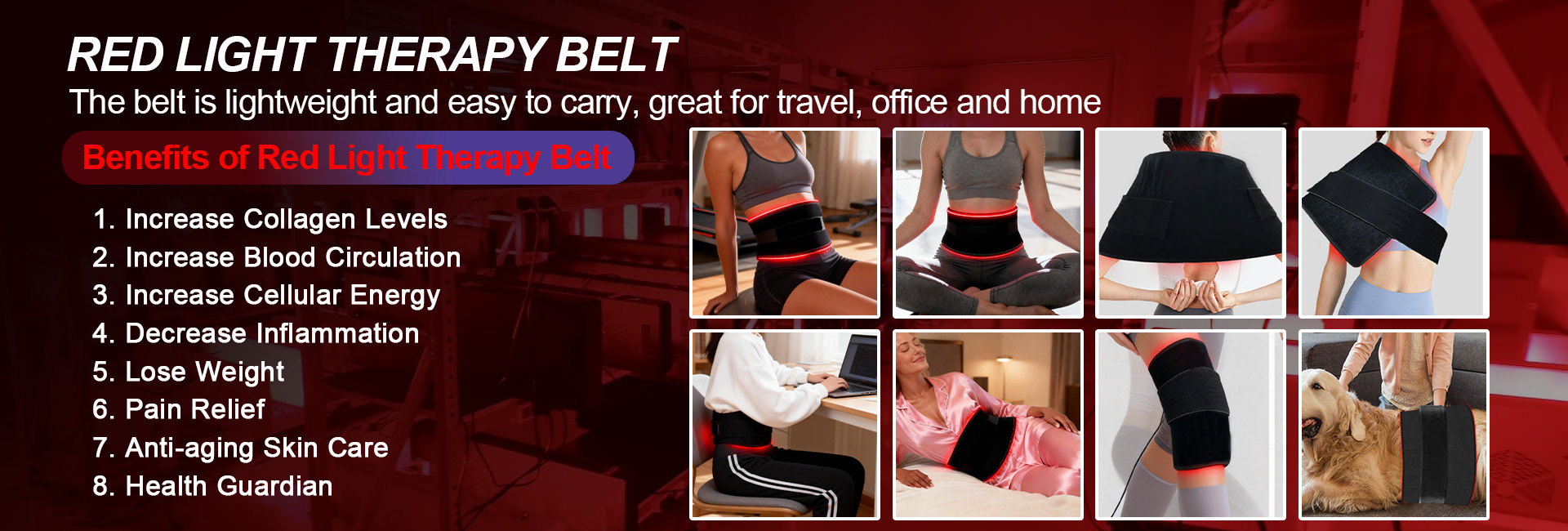
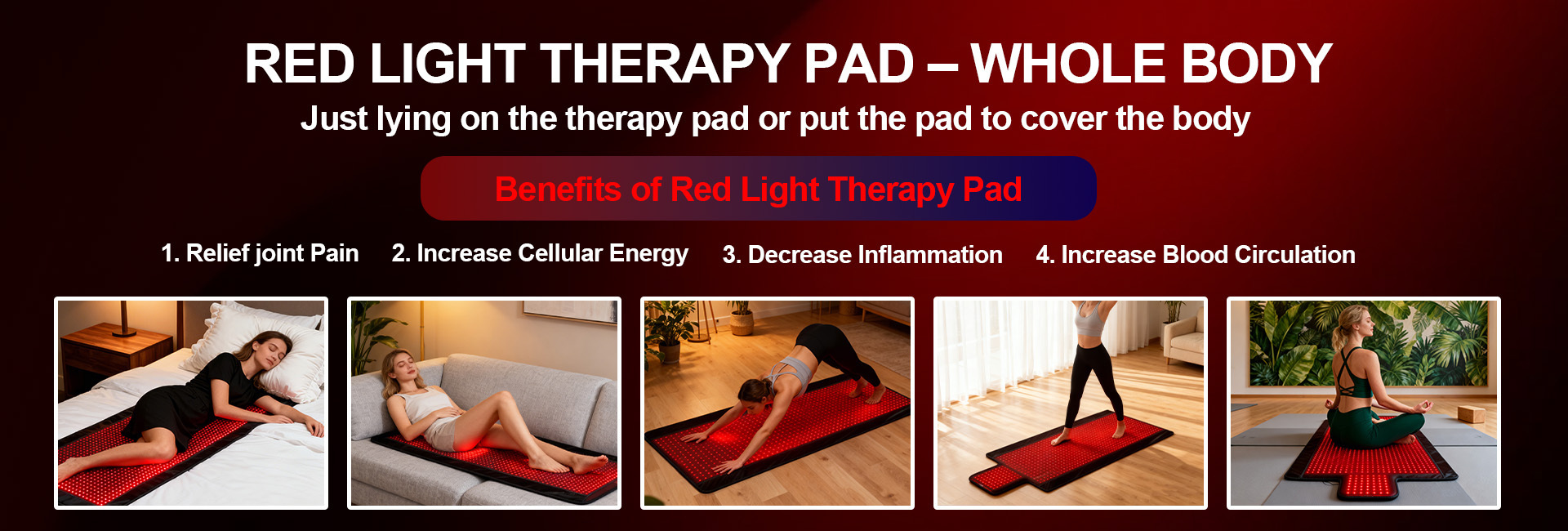
Device type: Half-body or full-body panel. Belt wraps work for maintenance but may not penetrate deep enough for disc issues.
Protocol: 15-20 minutes, 3-5 times per week, at 6-12 inches distance. Focus on lower back area.
Reddit user: "I have bulged disc and annular tear on L5/S1... After a week of using the panel, the pain I felt in my knee was less. The stiffness was easing up."
Rheumatoid Arthritis (RA)
RA is an autoimmune condition causing joint inflammation throughout the body.
Wavelength needs: 850nm + 830nm for inflammation reduction
Device type: Wearable wraps for specific joints, or full-body panel for widespread symptoms
Protocol: 10-15 minutes per affected joint, daily to every other day
Reddit user (28yo with RA): "I realized I wasn't waking up with that horrible, locked-in stiffness anymore. I actually felt somewhat loose and lighter... I even throw it in my bag for work now. When my wrists and fingers start screaming at me, I just put it on."
Fibromyalgia
Fibromyalgia causes widespread pain and fatigue. Users report overall body panels help with full-body symptoms.
Wavelength needs: Full spectrum coverage (660nm + 850nm + 810nm)
Device type: Full-body panel recommended due to widespread pain
Considerations: Full-body treatment helps address systemic inflammation. Some users prefer half-body panels with better specs over full-body panels with spread LEDs.
Osteoarthritis / Joint Pain
Most common in knees, hips, shoulders, and hands.
Wavelength needs: 850nm for most joints; 1060nm for hip/shoulder (deeper joints)
Device type: Belt wraps are excellent for knees and wrists; panels for shoulders/hips
Protocol: 10-15 minutes directly on joint, daily
Shoulder Pain
Common for desk workers, athletes, and those with rotator cuff issues.
Wavelength needs: 850nm minimum; 1060nm for deep rotator cuff
Device type: Panel is ideal. Belts can wrap around shoulder but may not stay in position well.
Reddit insight: "I use a belt style... just wrap it around the joint. The key is making sure the wavelengths are right, 660nm and 850nm."
Choosing a Device for Pain
Panel vs Belt vs Wrap
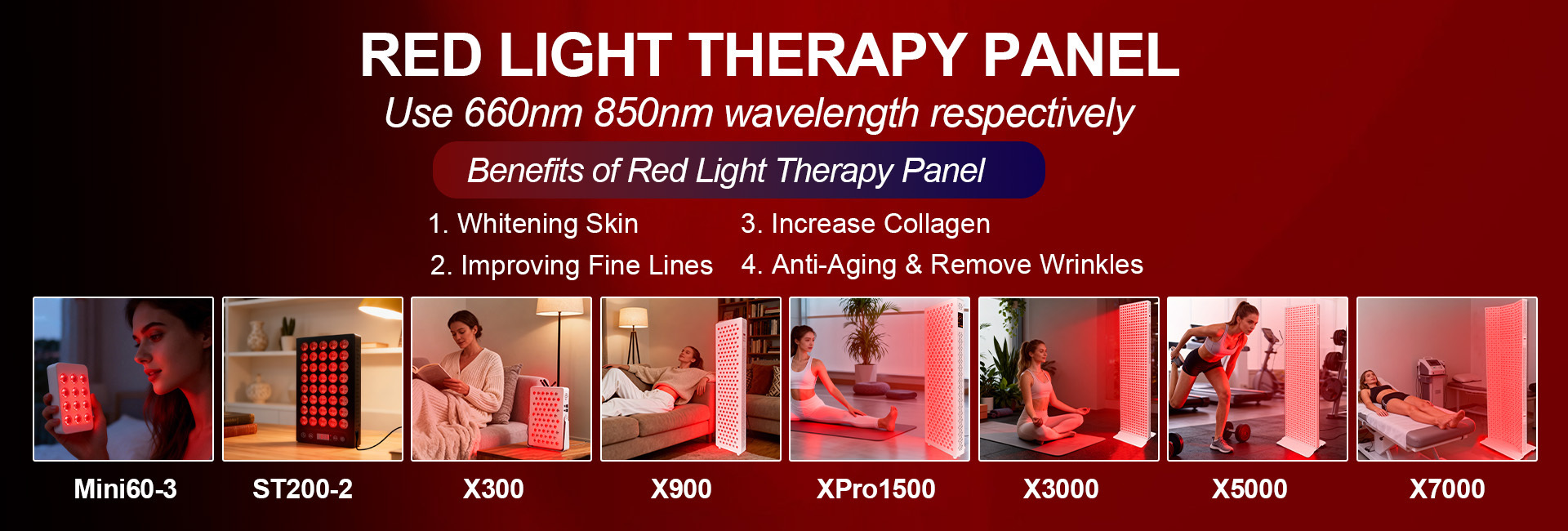
- Panel (recommended for most): Most versatile, deepest penetration options, can treat multiple areas
- Belt/wrap: Good for knee, elbow, wrist. Direct skin contact means less energy loss. But doesn't reach deep tissue.
- Handheld: For spot treatment, not ideal for chronic widespread pain
Full Body vs Half Body
Reddit consensus: A half-body panel with better LED distribution beats a full-body panel with washed-out specs.
Quote: "If you have a limit on your budget, you could (and should) buy a better half-body panel versus a so-so full body one."
Expected Timeline for Pain Relief
- Immediate: Some users feel relief during or right after first session
- 1-2 weeks: Reduced morning stiffness, less pain during flare-ups
- 4-8 weeks: Sustained improvement in chronic pain levels
- Ongoing: Need consistent use to maintain benefits
FAQ
Q: Will RLT replace my pain medication?
A: Unlikely. RLT is complementary pain management. Many users reduce medication but don't eliminate it. Always work with your doctor.
Q: Can I treat multiple pain areas in one session?
A: Yes, with a large panel. Position to treat one area, then move to the next. Limit total treatment time to avoid "overdose."
Q: Why isn't my pain improving?
A> Possible reasons: (1) Need deeper wavelengths for your condition, (2) Not enough power/irradiance, (3) Inconsistent use, (4) Condition requires medical intervention beyond what RLT can provide.
Q: Is heat from the panel part of the therapy?
A: Mild warmth is normal, but RLT is phototherapy, not heat therapy. If the panel is uncomfortably hot, increase distance or use cooling.