

Red Light Therapy for Eczema and Sensitive Skin
Eczema and sensitive skin require extra care with any skincare routine—including red light therapy. But when done correctly, RLT can actually help reduce the inflammation and irritation that comes with these conditions.
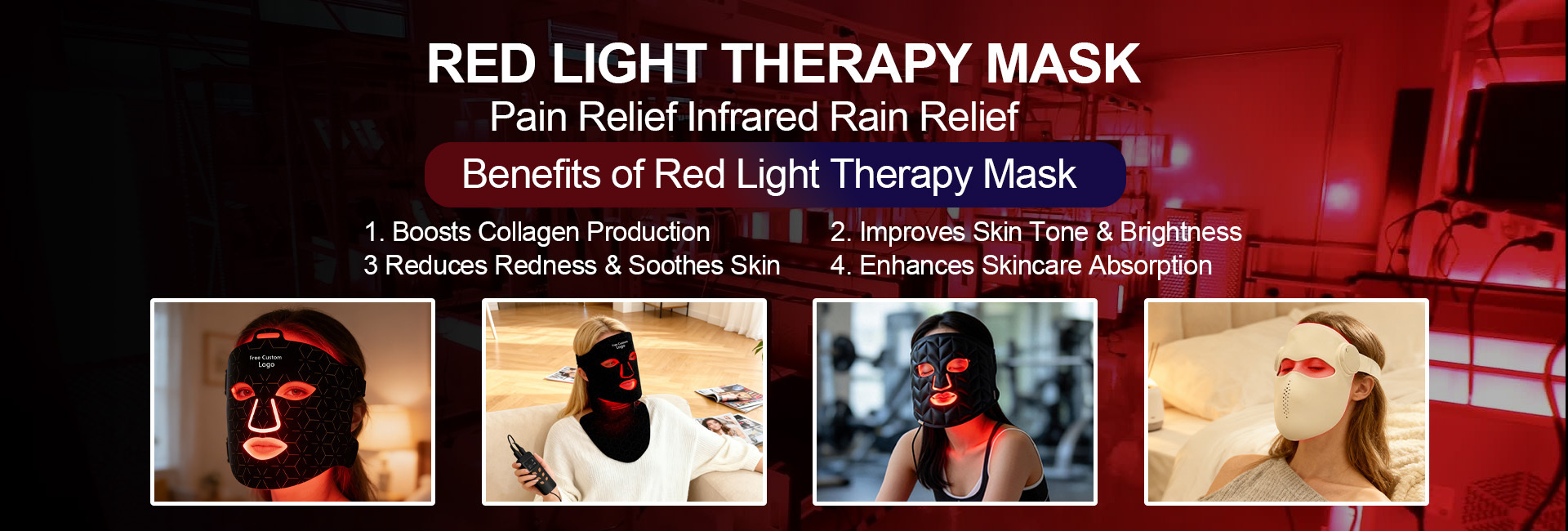
Key Recommendation: Hard-shell masks are strongly preferred over soft silicone for eczema and sensitive skin. Silicone masks pressing against the face can trigger flare-ups and worsen symptoms.
How RLT Helps Eczema
- Reduces inflammation: Anti-inflammatory effects calm eczema flare-ups
- Soothes itching: Many users report reduced itchiness
- Accelerates healing: Faster repair of compromised skin barrier
- Improves sleep: Reducing nighttime itching improves rest
Best Practices for Sensitive Skin
Start Extra Slow:
- Week 1-2: 3-5 minutes, every other day
- Week 3-4: 5-7 minutes, 3-4x per week
- Week 5+: Increase only if well-tolerated
Mask Type Matters
Based on user experiences, hard-shell masks are significantly better for eczema-prone skin:
- "My first mask was silicone. Using it led to redness and itchiness. I switched to hard shell (iRestore) and it is much better."
- Hard-shell masks don't press directly against skin, reducing irritation risk
- Easier to clean, reducing bacterial buildup that can trigger flares
What to Avoid
- Don't use RLT during active, severe flare-ups (consult doctor first)
- Avoid applying any skincare products before RLT on sensitive areas
- Stop and consult doctor if you notice increased redness or irritation
FAQ
Q: Can RLT trigger eczema flare-ups?
A: Possibly if starting too aggressively or using a mask that doesn't suit your skin. Start slow and choose hard-shell masks.