
Red Light Therapy and Blue Light: Can They Work Together for Acne?
Many devices offer both red and blue light therapy, especially for acne treatment. But does combining them actually help, or is it marketing hype?
How Each Wavelength Works
🔴 Red Light (630-660nm)
- Reduces inflammation
- Promotes healing
- Stimulates collagen
- Calms existing breakouts
Best for: Healing, anti-aging, inflammation
🔵 Blue Light (480nm)
- Kills P. acnes bacteria
- Surface-level disinfectant
- Controls oil production
- Active acne treatment
Best for: Bacterial acne, oily skin
When Combination Helps
- Acne with inflammation: Blue kills bacteria, red reduces resulting inflammation
- Post-acne healing: Red helps skin recover from breakouts
- Oily, acne-prone skin: Blue controls oil, red prevents scarring
The Gimmick Warning
Reddit community is skeptical of multi-color masks:
- "I haven't heard of a multi-color mask that was good"
- "A couple blue LEDs on a full panel is a gimmick"
- "Unless you're fighting acne, green light is counterproductive"
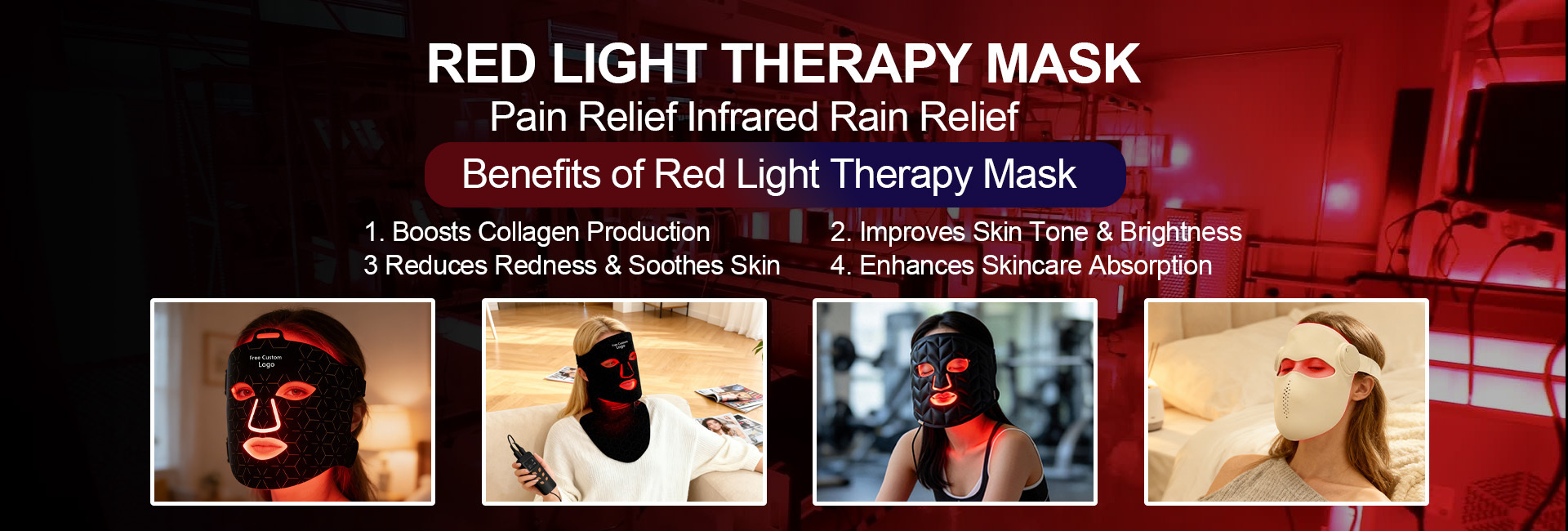
Adding blue to a red light panel doesn't make it an acne treatment—it just adds a few weak blue LEDs.
Better Approaches
For Primary Acne Focus
- Use a dedicated blue light device or mask
- Combine with red light sessions on alternate days
- Consider Dr. Dennis Gross SpectraLite (has both)
For Anti-Aging + Mild Acne
- Red light primary (3-5x/week)
- Blue light as needed during breakouts
- Most anti-aging masks don't need blue
Eye Safety Note
Blue light is particularly harsh on eyes. Ensure any device with blue light includes proper eye protection or keep eyes closed during treatment.
FAQ
Q: Can I use red and blue light at the same time?
A: Yes, most combination devices do this. But if you have a panel with only a few token blue LEDs, it's mostly marketing.
Q: Does green light do anything?
A: Limited evidence. Some claim it helps with hyperpigmentation, but most experts dismiss green as unnecessary in RLT devices.