
Red Light Therapy on a Budget: Best Devices Under $250
You don't need to spend $2,000 to benefit from red light therapy. While premium panels offer more features, budget options under $250 can still deliver real results—if you know what to look for.
What You Get for Under $250
- Small panels: 50-150 LEDs, good for face or small body parts
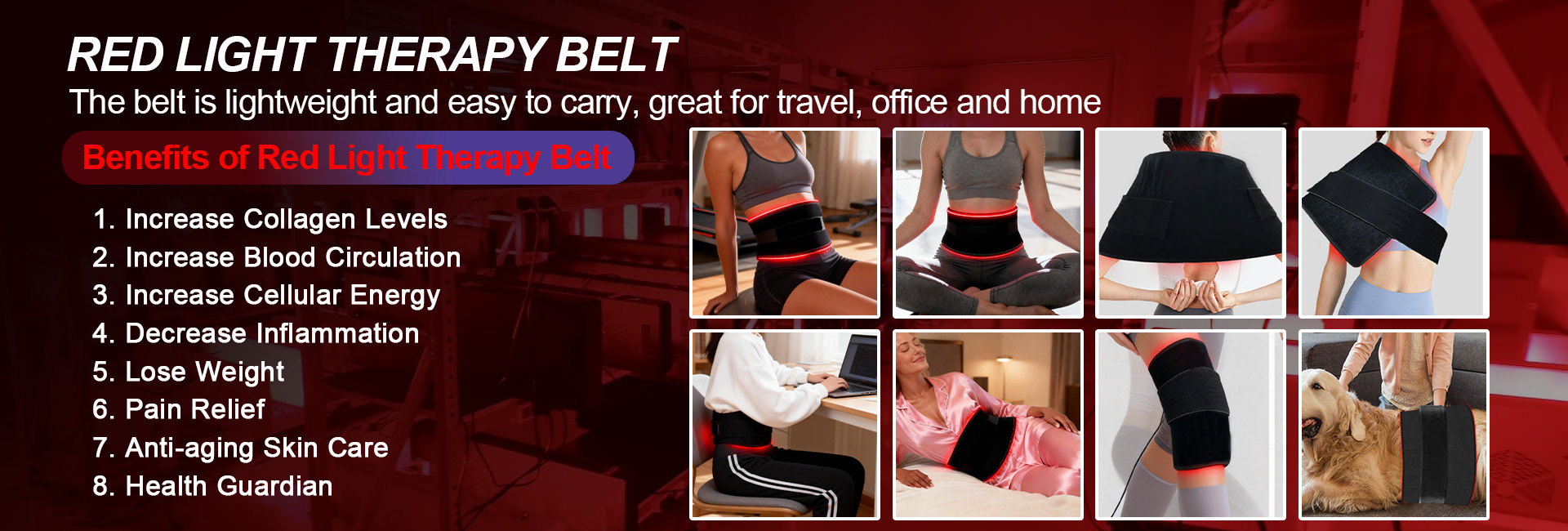
- Belt wraps: Targeted treatment for knees, shoulders, abdomen
- Handheld devices: Portable, spot treatment
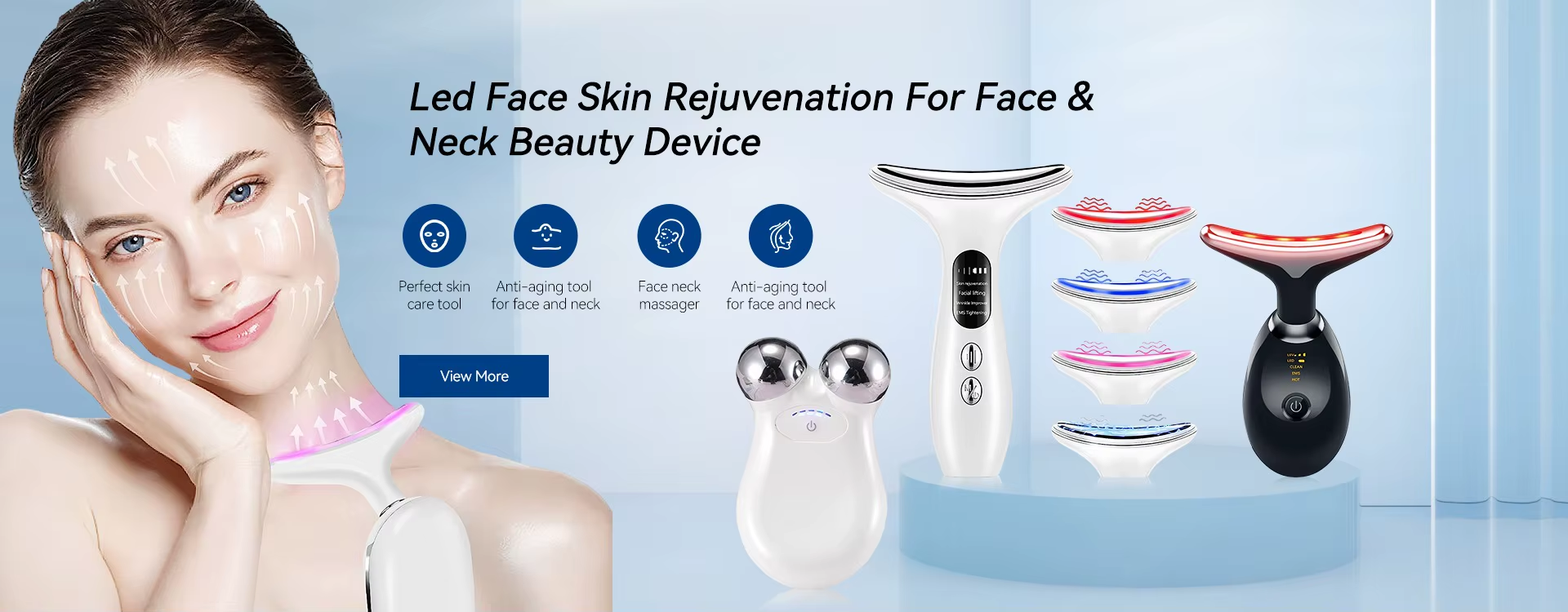
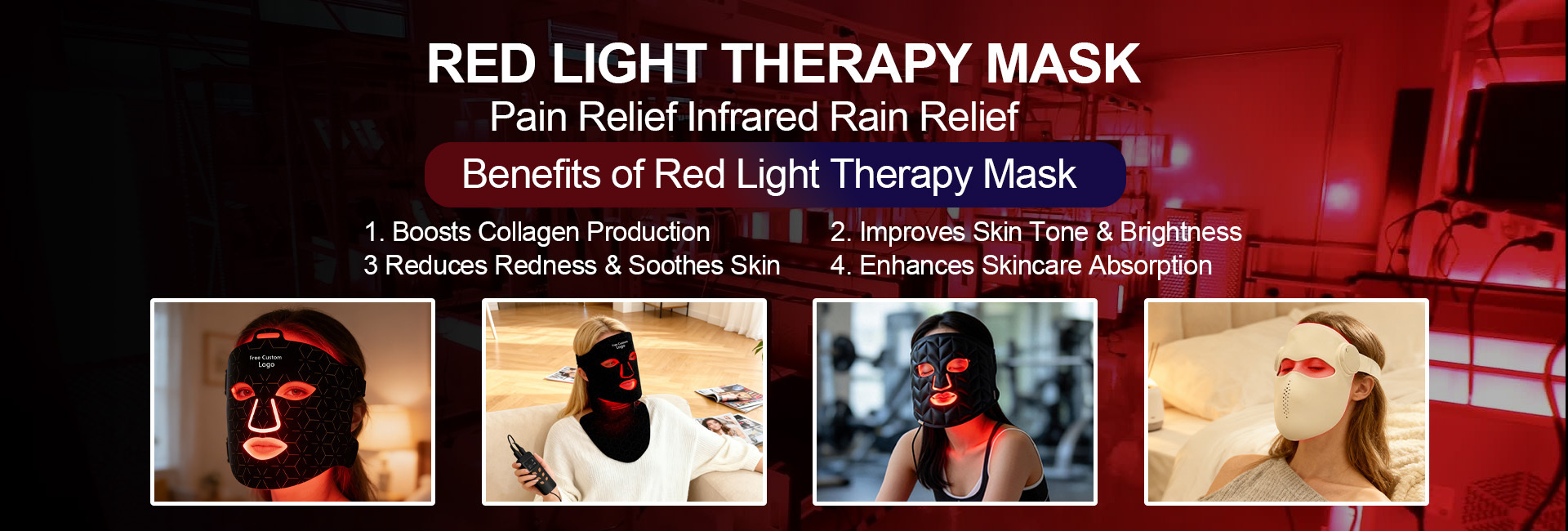
- Basic masks: Facial treatment, entry-level LED technology
Best Budget Options
1. Red Light Therapy Belts ($50-150)
Belts wrap around knees, shoulders, abdomen, or lower back. Direct skin contact means efficient delivery.
Best for: Joint pain, gut/abdomen issues, targeted areas
Considerations: Won't penetrate deep tissue like powerful panels. But for surface to mid-depth, they work.
2. Small Panels (100-200 LEDs) ($80-200)
Compact panels from brands like Hooga, MitoRed, or IdeaLight.
Best for: Face, small body areas, beginners
Considerations: You'll need to reposition for different body parts. But specs can be good for the price.
3. Alibaba Direct Panels ($150-250)
Buying direct from China can get you more panel for your money.
Example: IdeaLight RL300MAX direct from Alibaba might cost $150-200—similar specs to $400 branded panels.
Caveat: Shipping takes 4-12 weeks, limited warranty support.
4. Wrist/Handheld Wraps ($50-100)
For arthritis, tendonitis, or localized pain. Small but effective for tiny joints.
Reddit request: "Looking for a wrist wrap with red light, vibration and heat... sub $100." These exist, but quality varies.
What to Avoid at Low Prices
- No-name Amazon brands with fake specs: If irradiance numbers seem too good, they probably are
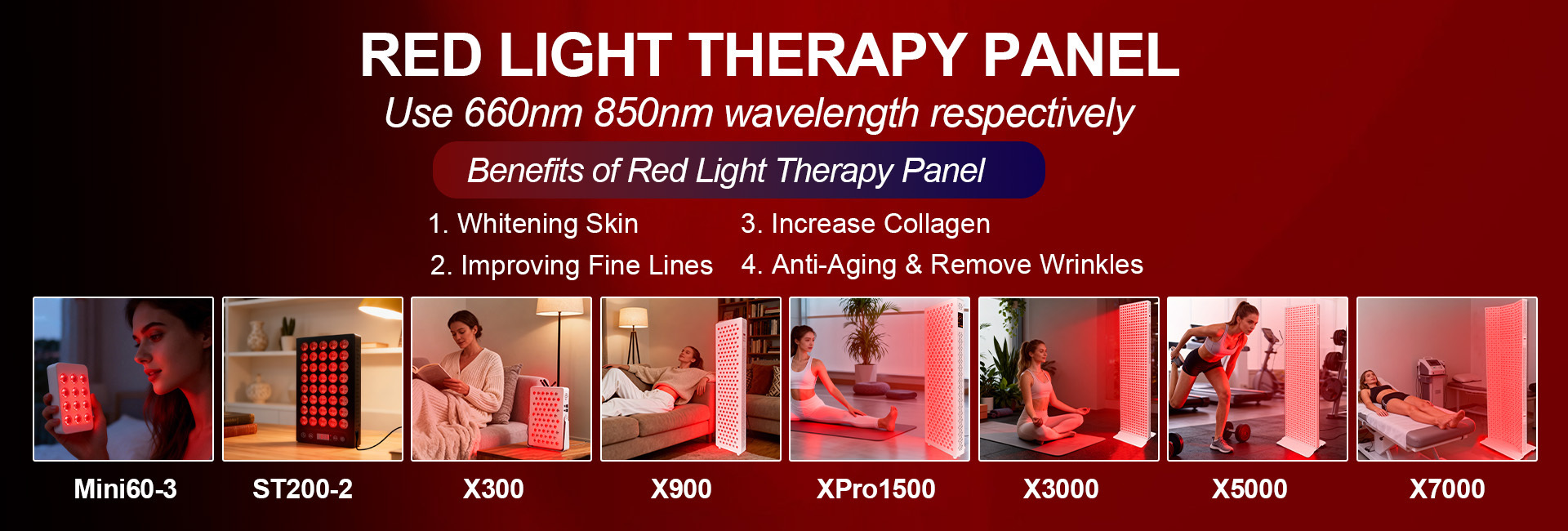
- Multi-colored masks with gimmick wavelengths: Focus on 660nm + 850nm
- Used devices: LEDs degrade over time; warranty matters
Maximizing Budget Panels
If you're on a tight budget but want maximum benefit:
- Focus on one area; Don't expect full-body coverage at this price
- Choose 660nm + 850nm combination; Most versatile wavelengths
- Check return policies; Amazon offers some protection for unknown brands
- Consider used/refurbished; Some premium sellers offer discounts
FAQ
Q: Will a cheap panel still work?
A: Yes, if it has the correct wavelengths (660nm/850nm) and you use it consistently. The main difference from expensive panels is coverage area, build quality, and sometimes irradiance—not effectiveness per se.
Q: Can I treat multiple problems with one budget device?
A: Not simultaneously. A belt can treat shoulder OR knee OR abdomen—a small panel can treat face OR hand. You'll need to alternate.