
Red Light Therapy Wavelengths Explained: 630nm vs 660nm vs 810nm vs 850nm vs 1060nm
When shopping for red light therapy devices, you'll see numbers like "660nm" and "850nm" thrown around. These aren't random—they're specific wavelengths of light, and understanding them is crucial to choosing the right device for your needs.
What Are Wavelengths and Why Do They Matter?
Light travels in waves, and the distance between wave peaks is measured in nanometers (nm). Different wavelengths interact with your body differently:
- Some wavelengths are absorbed by your cells and trigger beneficial effects
- Others pass through without interaction
- Some penetrate deep into tissue; others stay near the surface
For red light therapy to work, you need wavelengths that are both absorbed by your cells AND penetrate to where you need treatment.
Wavelength Comparison Table
| Wavelength | Type | Penetration | Best For |
|---|---|---|---|
| 630nm | Red | 2-3mm (surface) | Skin, wounds, surface conditions |
| 660nm | Red | 2-5mm | Skin, acne, anti-aging, general use |
| 670nm | Red | 3-5mm | Eye health, retinal function |
| 810nm | NIR | 20-30mm | Brain, nerves, deep tissue |
| 830nm | NIR | 20-40mm | Muscles, joints, inflammation |
| 850nm | NIR | 20-50mm | Muscles, joints, pain, recovery |
| 1060nm | NIR | 50mm+ | Deep joints, internal organs, chronic pain |
Detailed Wavelength Breakdown
630nm — Surface Red
The shortest therapeutic wavelength. Penetrates the skin's outer layers.
Best uses: Wound healing, skin surface conditions, superficial acne
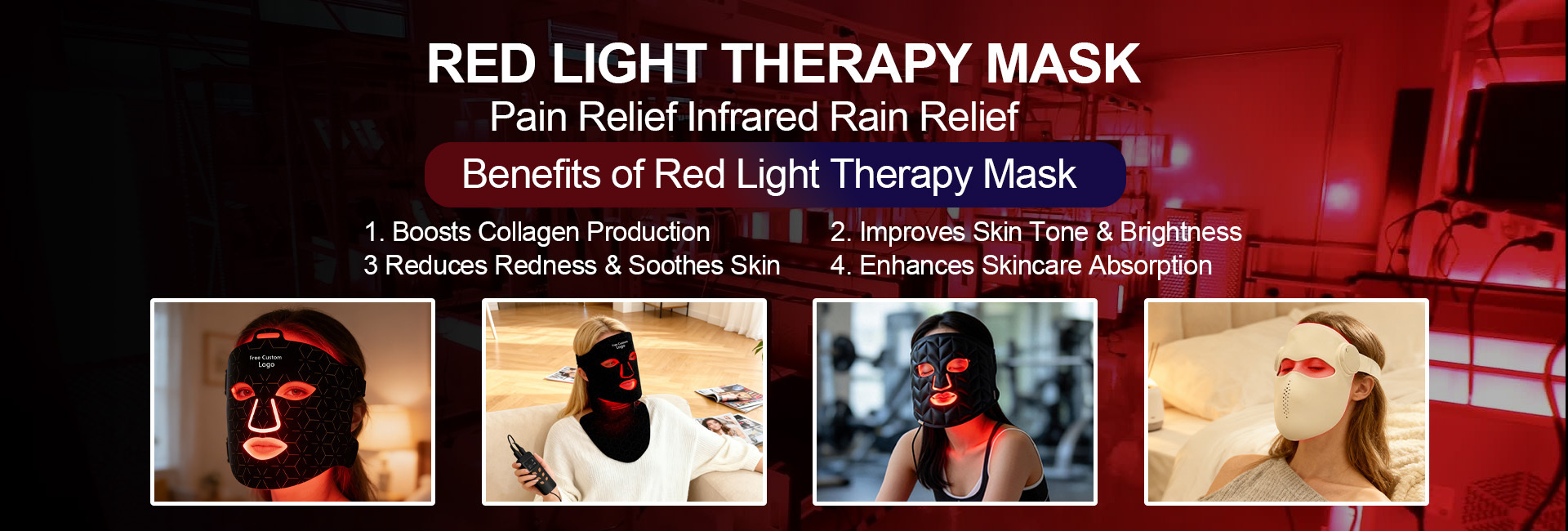
Consideration: Won't reach muscles or joints. Good for facial masks focused on skin.
660nm — The Sweet Spot for Red Light
The most common and well-studied red wavelength. Excellent balance of absorption and penetration.
Best uses: Skin health, collagen production, acne, anti-aging, wound healing
Side effects: None significant. Possibly increased hair growth (positive or negative depending on goals)
Devices: Almost every quality panel has 660nm LEDs
670nm — Eye Health Specialist
A niche wavelength with specific research backing for retinal and ocular health.
Best uses: Eye health, macular degeneration prevention
Reddit insight: Users discuss 670nm "torches" specifically for eye treatments. Must use proper eye protection and correct protocols.
810nm — Brain and Nerve Targeting
Penetrates deep enough to reach brain tissue. Used in Vielight devices for cognitive applications.
Best uses: Brain health, cognitive function, nerve regeneration, tinnitus
Consideration: Often underrepresented in panels—check LED count for 810nm specifically
830nm — The "Sweet Spot" for Inflammation
Particularly effective for reducing inflammation and improving lymphatic flow.
Best uses: Joint inflammation, post-surgery recovery, lymphedema
850nm — Workhorse Near-Infrared
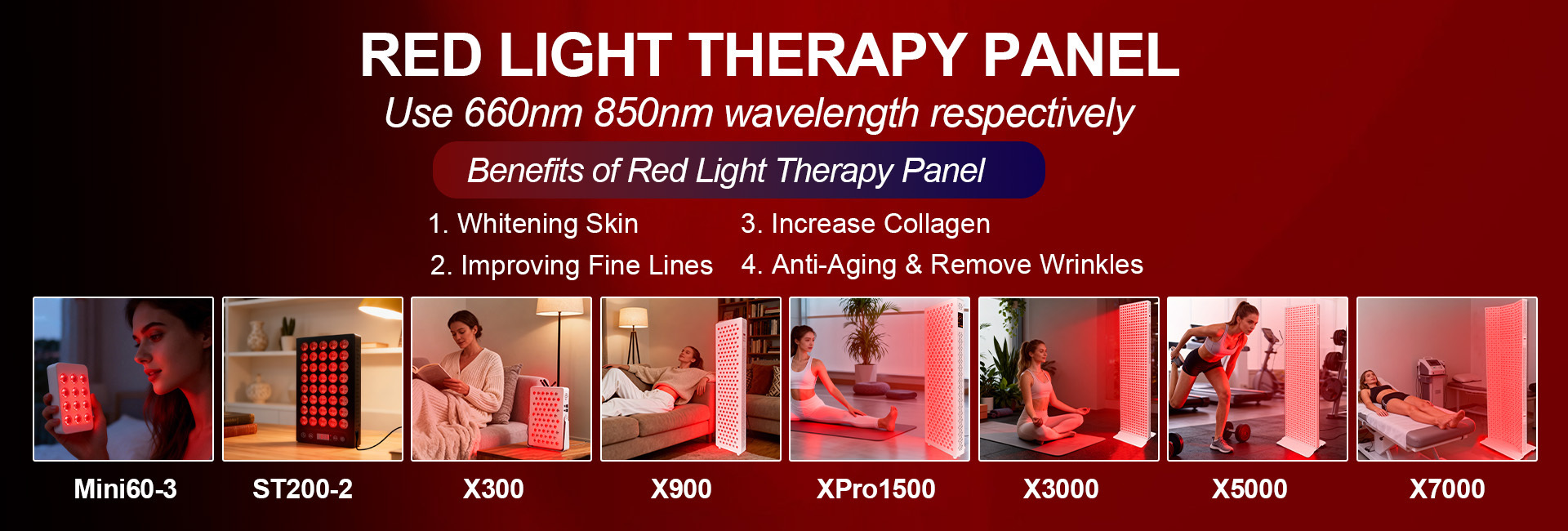
The most common NIR wavelength. Found in almost every quality panel alongside 660nm.
Best uses: Pain relief, muscle recovery, deep tissue healing, general wellness
Combination: 660nm + 850nm is the classic duo for most panels
1060nm — Deep Penetration Specialist
The longest commonly available wavelength. Penetrates deepest, reaching internal organs.
Best uses: Chronic back pain (L5/S1), deep joints, pelvic conditions, internal inflammation
Reddit insight: Users with herniated discs specifically seek 1060nm. Found in Rouge G4 and IdeaLight RLPro series.
Gotcha: Many panels claim 1060nm but only have a handful of LEDs at this wavelength. Always check the LED count per wavelength!
The LED Distribution Problem: Why "More Wavelengths" Can Be Misleading
Here's what to check when evaluating multi-wavelength panels:
- Total LED count per wavelength — Ask the seller: "How many LEDs emit each wavelength?"
- Even distribution — Ideally, each wavelength gets similar LED count
- What you need — If you want deep tissue, prioritize panels with many 850nm and 1060nm LEDs
Example from Reddit: IdeaLight RLPRO2000 has 1152 dual-chip LEDs. Some sellers claim it has 8-9 wavelengths, but users discovered distribution varies widely. A respected community member advises: "Always check how many LEDs actually emit each wavelength."
Which Wavelengths Do You Need?
For Skin/Face (Anti-Aging, Acne)
Need: 660nm (essential) + consider 630nm or 830nm
Device: LED mask or small panel with red light
For Pain (Back, Joints, Muscles)
Need: 850nm (essential) + 810nm or 830nm + consider 1060nm for deep pain
Device: Half-body or full-body panel with good NIR coverage
For Chronic Conditions (Arthritis, Fibromyalgia)
Need: 850nm + 810nm + 1060nm combination
Device: Panel with verified deep-penetration wavelength distribution
For Brain/Cognitive
Need: 810nm specifically
Device: Specialized intranas or headband devices (Vielight)
Blue Light (480nm) and Other Colors
Some panels include 480nm blue light. Here's the reality:
- Claimed benefit: Acne treatment (kills surface bacteria)
- Reddit skepticism: "A couple blue LEDs on a full panel is a gimmick"
- Real use: Blue light makes sense in dedicated acne masks, not as 2-5% of a panel's LEDs
FAQ
Q: Do I need all wavelengths?
A: No. For most users, 660nm + 850nm covers most bases. Add 1060nm if you have deep tissue/pain needs.
Q: More wavelengths = better?
A: Not necessarily. A panel with 4 well-distributed wavelengths is better than one with 9 wavelengths but only a few LEDs each.
Q: Can I mix wavelengths?
A: Most panels are designed to run multiple wavelengths simultaneously. This is standard and effective.