


How Red Light Therapy Works: The Science of Photobiomodulation
Red light therapy isn't magic—it's biology. Understanding the science behind photobiomodulation (PBM) helps you use red light therapy more effectively and set realistic expectations. In this deep dive, we'll explore exactly what happens when red and near-infrared light hits your cells.
What Is Photobiomodulation?
Photobiomodulation literally means "light changing biology." It's the scientific term for what happens when specific wavelengths of light interact with living tissue to produce beneficial effects. Unlike lasers used in surgery that cut or burn tissue, PBM uses low-level light that doesn't generate heat or cause damage.
The term encompasses several related therapies:
- Low-Level Laser Therapy (LLLT) – Uses coherent laser light
- LED Therapy – Uses non-coherent LED light (what most consumer devices use)
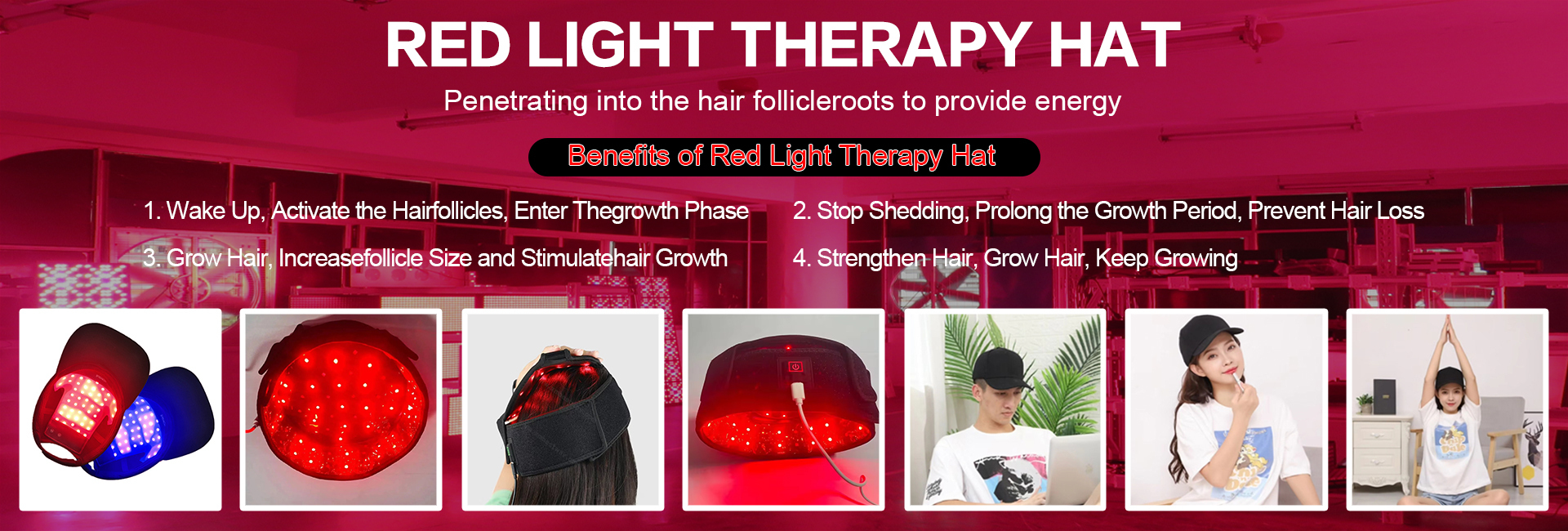
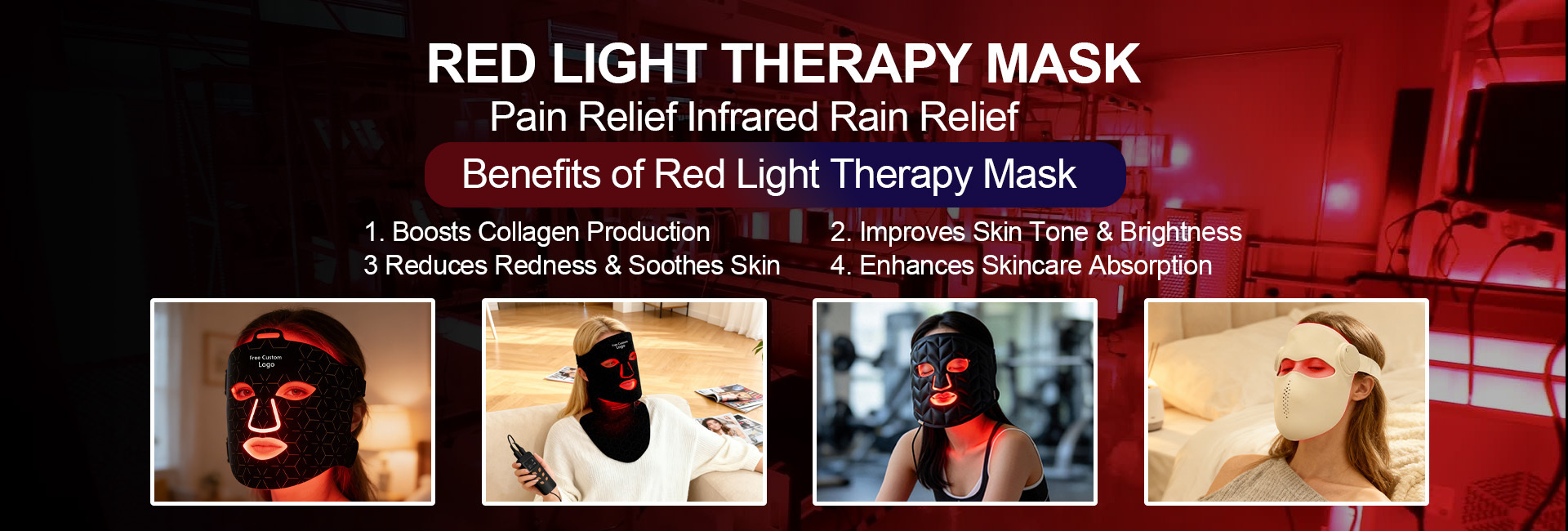
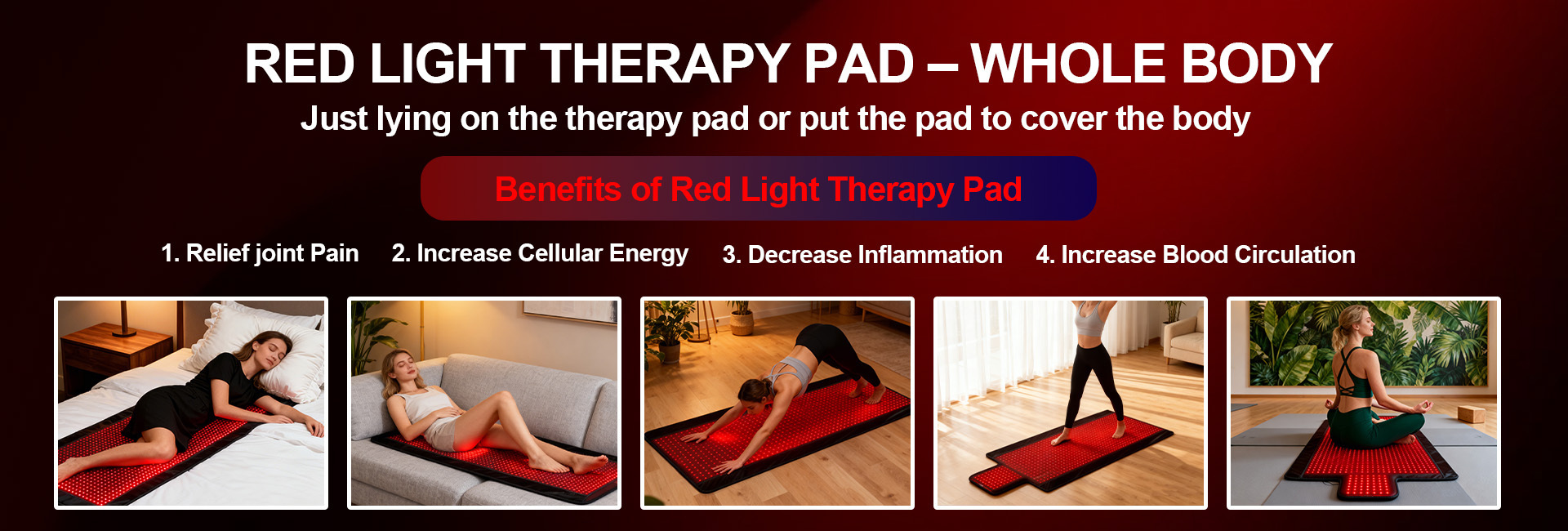
- Red Light Therapy (RLT) – Common consumer term for LED-based PBM
- Cold Laser Therapy – Another term for LLLT, emphasizing no heat
Despite the different names, they all work through the same fundamental mechanism.
The Cellular Mechanism: What Happens Inside Your Cells
Step 1: Light Enters the Tissue
When you expose your skin to red or near-infrared light, photons (light particles) penetrate into your tissue. The depth of penetration depends on wavelength:
- Red light (630-700nm) – Penetrates 2-5mm into skin, reaching the epidermis and upper dermis
- Near-infrared (700-1000nm) – Penetrates 5-10mm or more, reaching muscles, joints, and even bone
- 1060nm – Deepest penetration, can reach internal organs and deep joints
Step 2: Absorption by Chromophores
Inside your cells are molecules called chromophores—light-absorbing molecules that act like antennas for specific wavelengths. The primary chromophore relevant to PBM is cytochrome c oxidase (CCO), a critical enzyme in your mitochondria.
When red/NIR light hits cytochrome c oxidase, it gets absorbed and causes changes in the enzyme's activity. This is the key trigger for everything that follows.
Step 3: Mitochondrial Activation
Mitochondria are often called the "powerhouses" of your cells because they produce ATP (adenosine triphosphate)—the universal energy currency that powers every cellular process.
When cytochrome c oxidase absorbs red/NIR light:
- It releases inhibitory nitric oxide from its active site
- Electron transport chain activity increases
- More oxygen is consumed
- ATP production increases significantly
Studies show red light therapy can increase ATP production by 10-30% in treated cells.
Step 4: Signaling Cascades
The increased energy production triggers broader cellular responses:
- Reactive oxygen species (ROS) signaling – Low levels of ROS act as signaling molecules, triggering protective and healing responses
- Calcium release – Alters cellular signaling and gene expression
- NF-κB pathway activation – Reduces inflammation
- Growth factor release – Promotes tissue repair and regeneration
Step 5: Systemic Effects
What happens in individual cells adds up to whole-body benefits:
- Improved circulation – Release of nitric oxide dilates blood vessels
- Reduced inflammation – Lower inflammatory markers throughout the body
- Enhanced collagen production – Fibroblasts produce more collagen for skin and connective tissue
- Faster cell turnover – Damaged cells are replaced more quickly
The Biphasic Dose Response: More Isn't Always Better
One of the most important scientific findings about PBM is the biphasic dose response—also called the Arndt-Schulz curve. This means:
- Too little light = No effect (below threshold)
- Optimal dose = Maximum benefit
- Too much light = Diminished or opposite effect (overdose)
Learn more about proper dosing in our guide: How to Calculate Your Red Light Therapy Dosage.
Why Wavelengths Matter
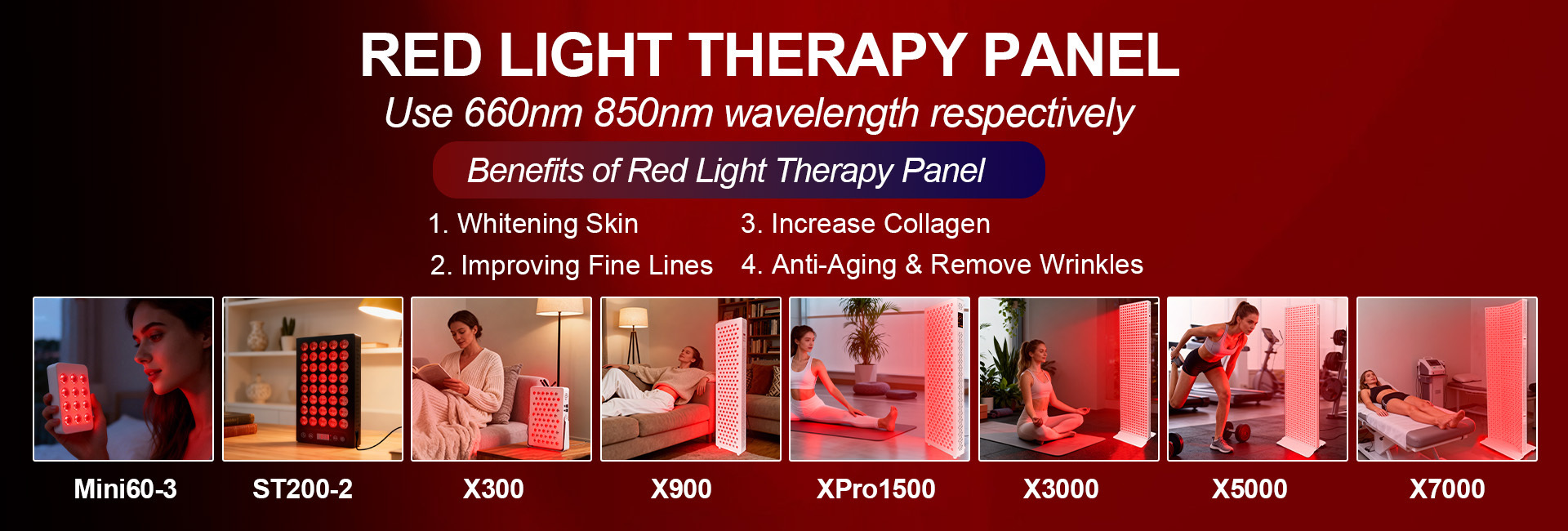
Different wavelengths interact with different chromophores and penetrate to different depths. This is why device wavelength matters:
Red Light Wavelengths
- 630nm – Good for skin surface, wound healing, superficial conditions
- 660nm – Most common red wavelength, excellent for skin and superficial tissue
- 670nm – Specific benefits for eye health and retinal function
Near-Infrared Wavelengths
- 810nm – Deeper penetration, excellent for brain and nerve tissue
- 830nm – Good mid-depth penetration for muscles and joints
- 850nm – Most common NIR wavelength, deep tissue penetration
- 1060nm – Deepest penetration, reaches internal organs and deep joints
For a complete breakdown, see: Red Light Therapy Wavelengths Explained.
What the Research Shows
Photobiomodulation has been studied in thousands of peer-reviewed papers. Here's what the evidence shows:
Strong Evidence (Multiple RCTs)
- Skin rejuvenation and wound healing
- Pain reduction in osteoarthritis
- Hair growth in androgenetic alopecia
- Oral mucositis treatment
Moderate Evidence
- Chronic pain conditions
- Exercise recovery and performance
- Acne treatment
- Psoriasis
Emerging Research
- Brain health and cognitive function
- Depression and anxiety
- Thyroid function
- Metabolic health
FAQ: Common Science Questions
Q: How long does it take for red light therapy to work at the cellular level?
A: ATP increases within minutes of exposure. However, visible results (like skin improvement or pain relief) take weeks of consistent use as cells need time to repair and regenerate.
Q: Why doesn't regular light have the same effect?
A: Regular white light contains many wavelengths, but only specific wavelengths (630-700nm and 800-1000nm) are efficiently absorbed by cytochrome c oxidase. Other wavelengths either don't penetrate tissue well or don't interact with the right chromophores.
Q: Can I use red light therapy too much?
A: Yes. Due to the biphasic response, excessive exposure can reduce benefits. Stick to recommended protocols and don't assume more is better.
Q: Does the light need to touch my skin?
A: No, but it needs a clear path to your skin. Light intensity decreases with distance (inverse square law), so closer is generally more effective—within reason (6-12 inches is typical for panels).